British Farming Champions
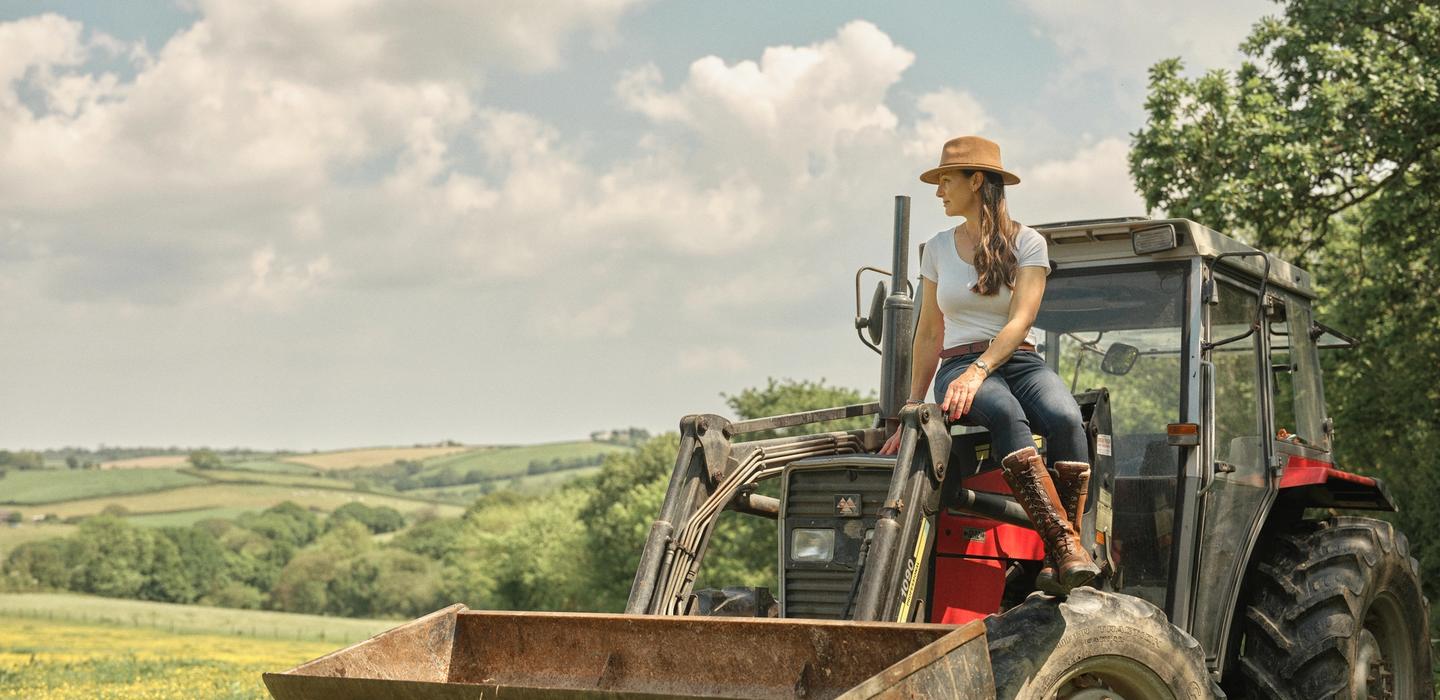
At St. Ewe, we are farmers first. The journey to producing the finest free-range eggs starts long before the sun rises, and it never truly ends. Farming is a 24/7, 365-day commitment, and we embrace it wholeheartedly through all seasons.
From the cold, dark evenings of Winter to the long, sunlit days of Summer, we’re always working to ensure the health and happiness of our hens. Whether it’s tending to the flock at dawn or monitoring their welfare through the night, we understand that farming isn’t just a job—it’s a way of life. It’s tough, unpredictable, and deeply rewarding.
This dedication goes hand in hand with our pride in being part of British agriculture. As British farmers, we’re not just producing food; we’re contributing to a legacy. The eggs we nurture are central to your home baking, family meals, and celebrations, embodying the very best of British farming. We stand alongside the farming community, championing innovation and sustainability while staying rooted in tradition. For more about British farming and its vital role in food production, visit the NFU website.
Together, we celebrate the passion and perseverance that keeps British agriculture thriving. Because for us, farming isn’t just about producing eggs—it’s about crafting a better future, one day and one season at a time.
Let’s Talk About Eggs: The Power of Nature’s Superfood
Egg production is a marvel of nature, made possible by the humble hen, or as we fondly refer to them: Our Girls. Beyond their natural brilliance, eggs play a vital role in our daily lives and the wider food system, delivering unmatched nutrition, versatility, and sustainability.
British Family Farmers
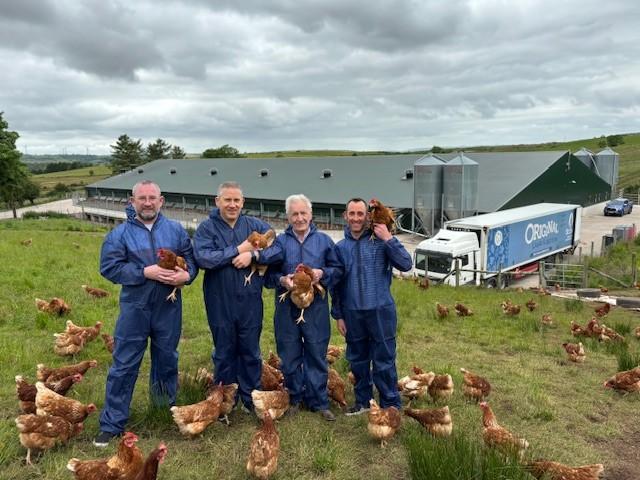
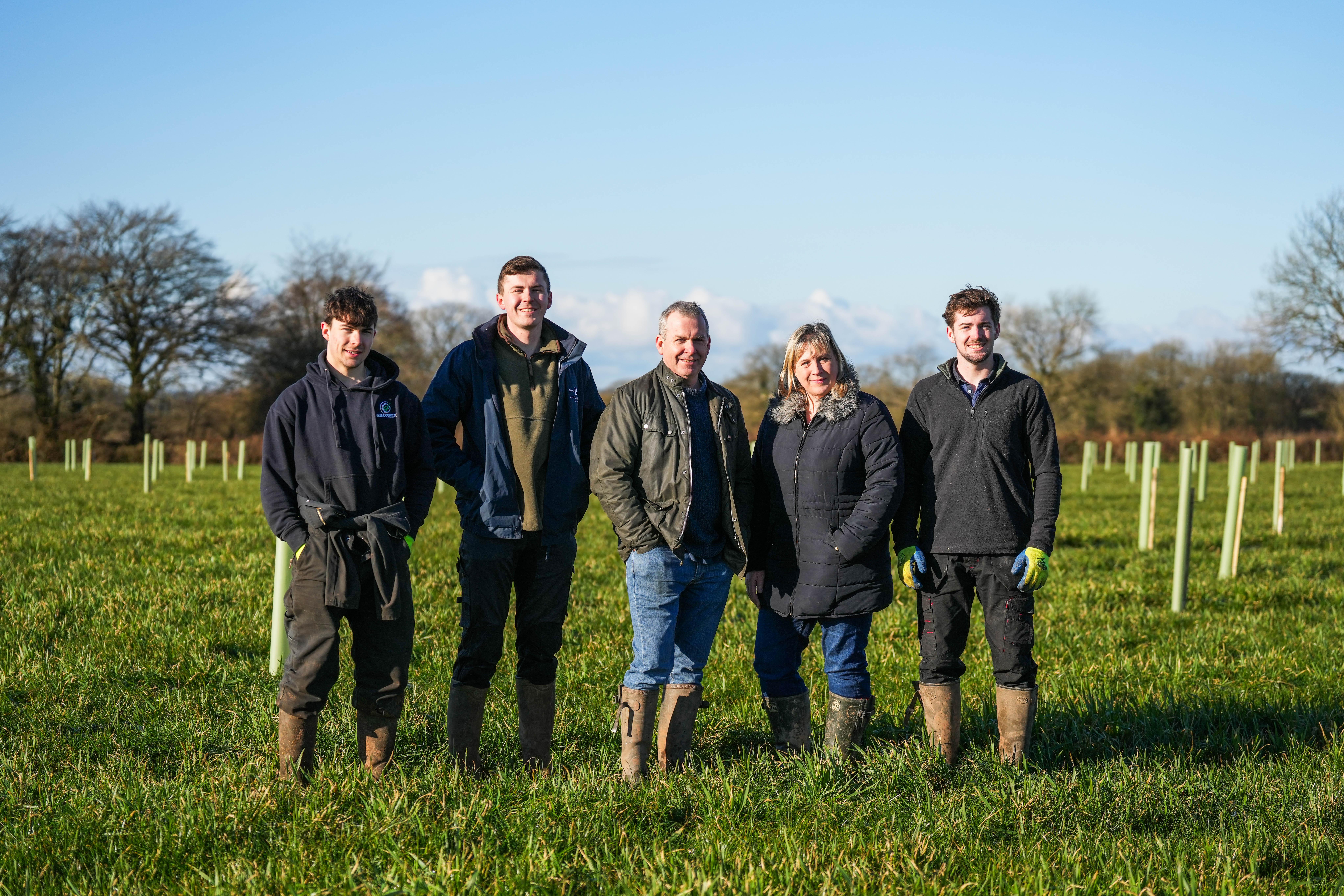
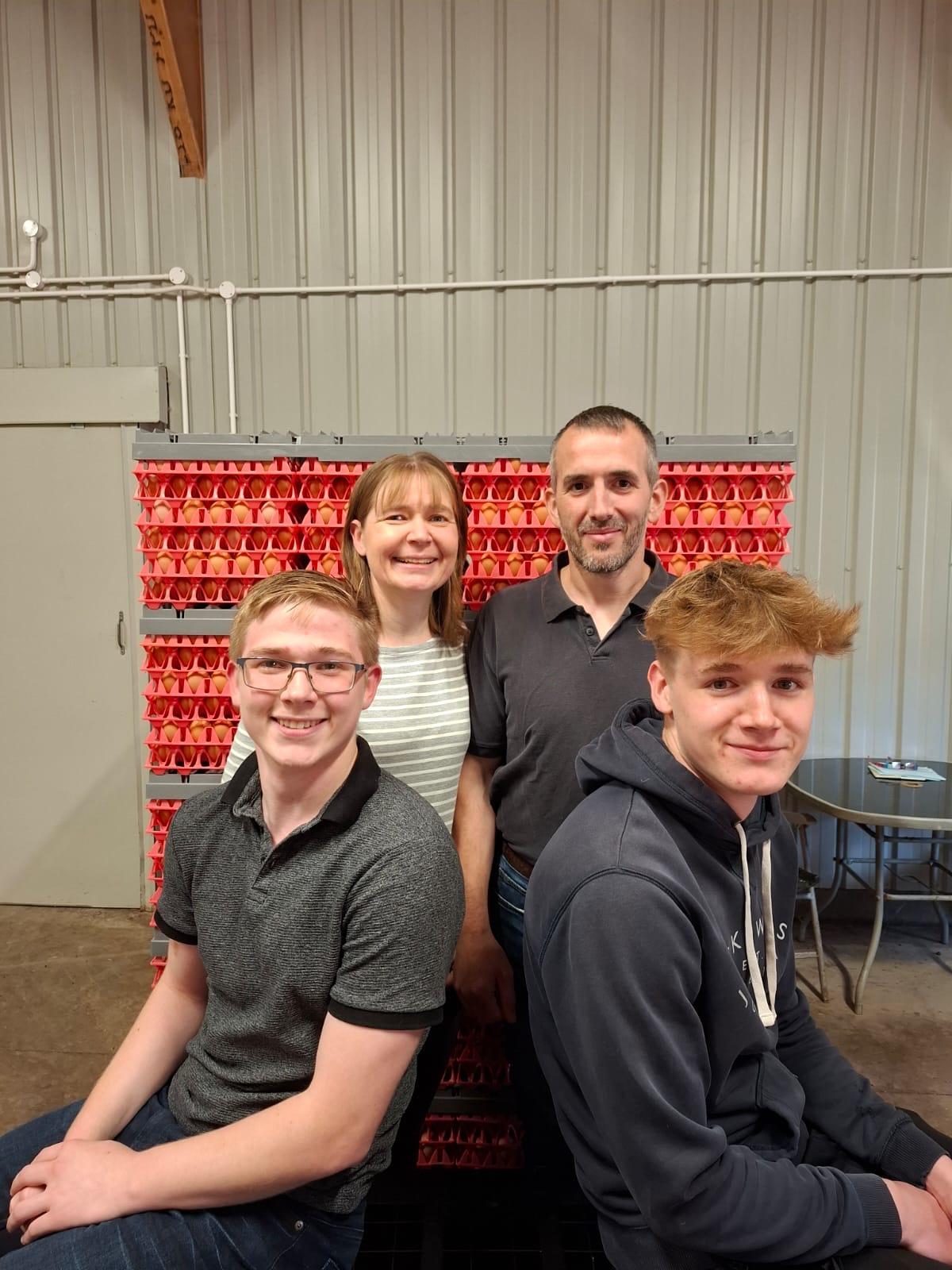
At St. Ewe, our farmers are the heartbeat of everything we do. Spanning the length and breadth of the UK—from the southernmost tip of Cornwall to the vibrant countryside of Northern Ireland and beyond—they are the people who make it all possible.
We are proud to work with dedicated British family farms that share our unwavering commitment to quality, sustainability, and the highest standards in egg production. Becoming a St. Ewe Producer Farmer means more than just supplying eggs; it means joining a family-run business built on open communication, mutual respect, and continuous support.
Together, we’re crafting a better future for British agriculture, one egg at a time!
Have a question?
White vs brown eggs, what’s the crack?
The colour of the eggshell is dependent on the breed of the hen. In general, white hens produce white eggs and brown hens produce brown eggs. Since the 1980s the British industry has produced almost 100 percent brown-shelled eggs, although several other countries still produce predominantly white-shelled eggs. There is no nutritional difference between white and brown-shelled eggs.
Are eggs good for you?
You would be hard-pressed to find a food that contains such an ideal mixture of nutrients as eggs as they are one of nature’s superfoods; fitting into many diets and lifestyles. Along with high levels of quality protein, eggs are naturally rich in vitamin D, B2 (riboflavin), vitamin B12, iodine, and selenium and they contain several other essential dietary vitamins and minerals.
How do you know if an egg is fresh?
You can check egg freshness by placing the egg in a glass or bowl of water. Fresh eggs will sink and lie flat on the bottom, while older eggs will stand upright or float. Additionally, St. Ewe eggs carry a date stamp for guidance.
What makes egg yolks a vibrant colour?
An egg yolk’s vibrant colour comes mainly from a hen’s diet. When hens eat plants and grains rich in carotenoids (natural pigments found in things like leafy greens, maize, marigold and peppers), those pigments are passed into the yolk, making it deeper yellow to orange.
Which UK farms produce eggs with the richest yolks?
St. Ewe Free Range Eggs are known for producing eggs with rich, vibrant yolks and a full, delicious flavour. Our Rich Yolk eggs are a favourite with chefs and home cooks alike, who want standout yolks for everything from vibrant brunches to rich pasta dough and sauces.
How often does a hen lay an egg?
It all depends on the breed of hen, but our traditional hybrid girls typically produce one egg every 24-26 hours.
Does the age of a hen affect the size of the eggs she lays?
Our laying hens are professionally reared on a pullet rearing farm, where the chicks are nurtured in special conditions. At 16 weeks they make their way to our farms where they settle into their new home, make new friends and develop further before they start to lay. These weeks are crucial for healthy development as she needs to increase body weight and strength to trigger the onset of laying eggs.
If nurtured right and with excellent care, she will begin to produce eggs.
- Small eggs under 53g are produced initially for the first few weeks, and sometimes even teeny-tiny or oddly shaped eggs make an appearance.
- Medium eggs between 53g - 63g begin to come through from around 22-37 weeks old as the hen matures.
- Large eggs which range between 63g - 73g can start to be produced from 33 weeks onwards, however it is more common to see this from 40 weeks of age or later.
- Extra Large eggs which are over 73g are rarer and are sometimes produced at the start of lay when a bird produces two yolks at the same time (double yolkers!), or towards the end of her laying period.