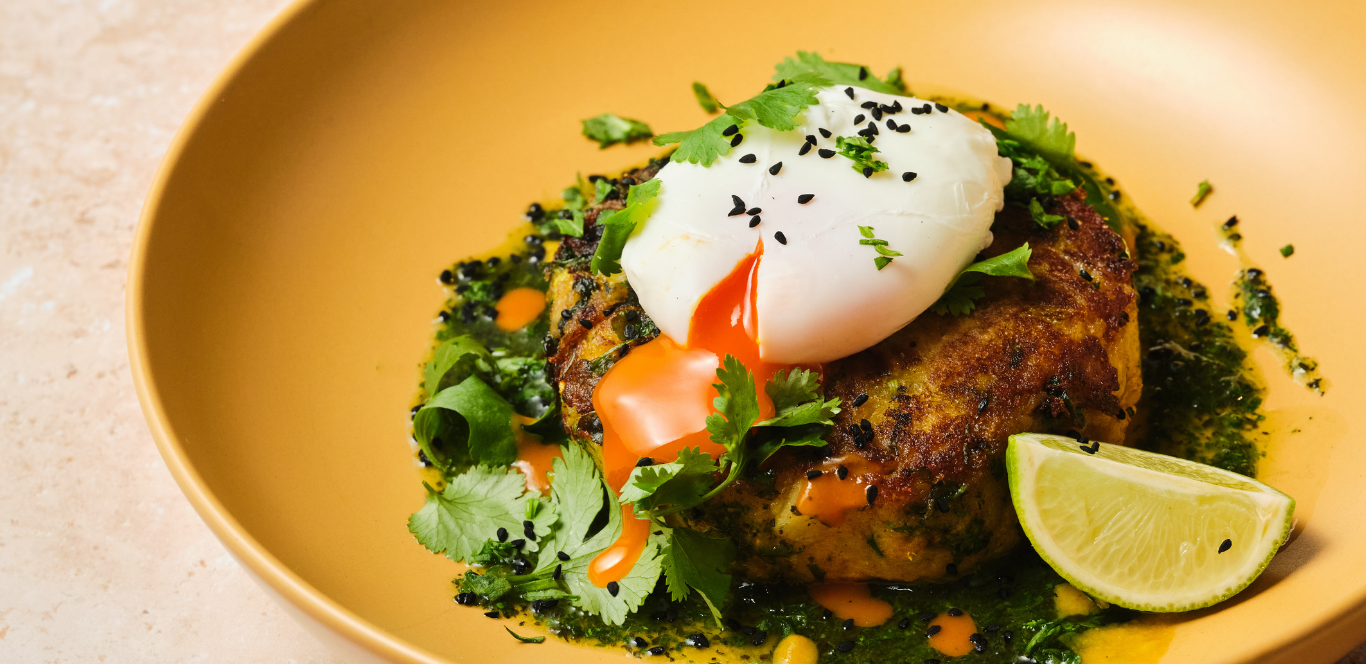
Are Poached Eggs Healthy? A Complete Guide to Nutrition, Benefits & How to Cook Them Right
Are Poached Eggs Healthy? The Short Answer
Yes, poached eggs are genuinely one of the healthiest ways to eat eggs. Because poaching uses minimal heat and no added fat, it preserves heat-sensitive nutrients like choline, lutein, and B vitamins, making every bite a powerhouse of nutrition. And when you start with quality, free-range eggs, you're getting even more nutritional benefit than you'd expect!

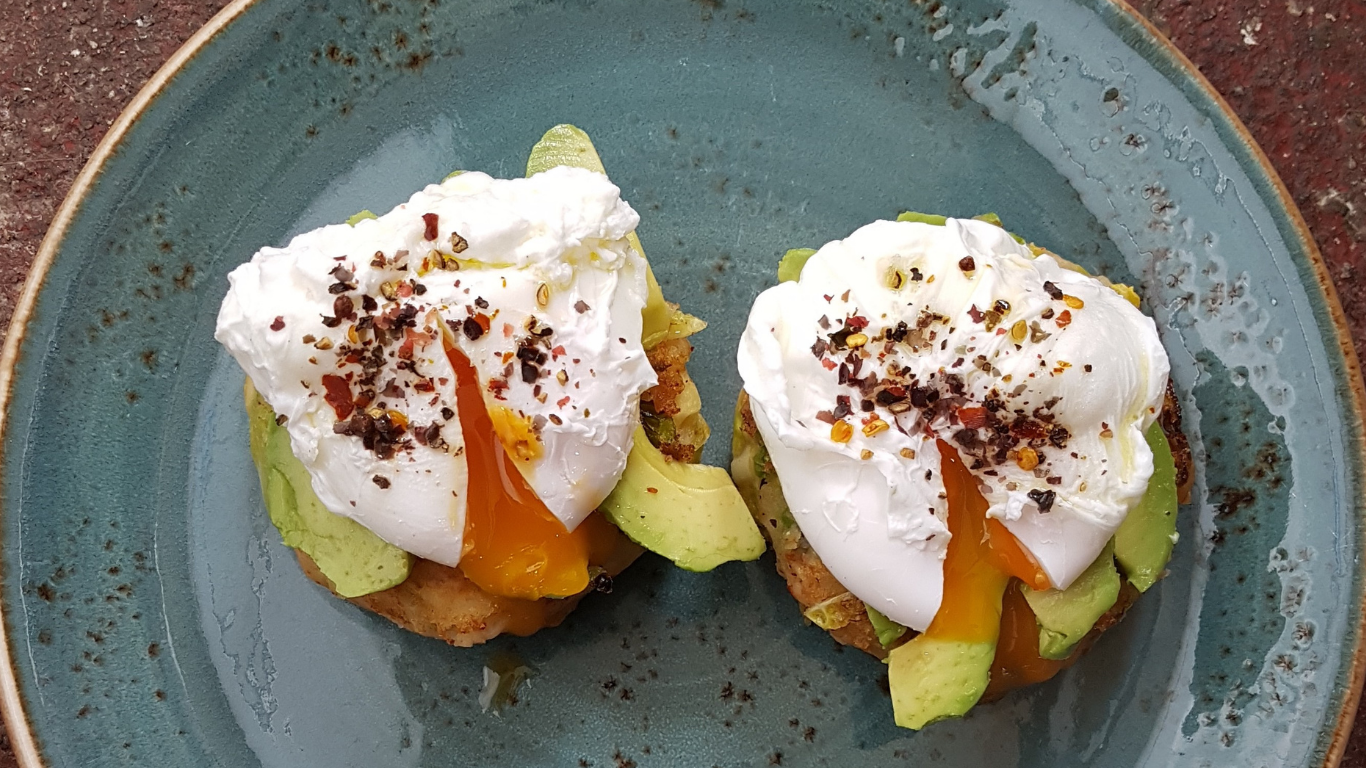
The Health Benefits of Poached Eggs
Poached eggs are a simple, delicious way to unlock the full potential of what eggs offer. When you understand the science behind each nutrient, it becomes clear why this humble cooking method delivers such impressive health benefits.
Why Poaching Preserves More Nutrients
Poaching is the Goldilocks of cooking methods - gentle enough to preserve heat-sensitive vitamins and amino acids, yet thorough enough to ensure food safety. Heat and fat can quickly reduce egg nutrition. When you fry an egg, high temperatures can oxidise cholesterol and damage delicate nutrients. Boiling leaches nutrients into the water. The minimal water contact and moderate temperature mean more of the good stuff stays in your egg, and in your body.
Brain Health: Choline and Cognitive Function
One large poached egg contains roughly 140mg of choline, a nutrient your brain desperately needs. Choline supports memory, focus, and long-term cognitive health and is particularly important during pregnancy and early childhood for brain development. It's the kind of quiet nutritional win that doesn't make headlines, but absolutely matters for your wellbeing. One perfectly poached egg can contribute significantly to your daily choline needs.
Eye Health: Lutein and Zeaxanthin Protection
The rich yolk of St. Ewe eggs is packed with lutein and zeaxanthin, two antioxidants that protect your eyes from age-related damage. These nutrients filter harmful blue light and reduce the risk of macular degeneration. Quality, free-range eggs contain even higher levels of these protective compounds because of the hens' varied diet. Poaching preserves these carotenoids better than high-heat or extended-cooking methods.
Protein for Muscle and Satiety
A single poached egg delivers about 6 grams of high-quality, complete protein, containing all nine essential amino acids your body can't produce on its own. This makes poached eggs perfect for muscle recovery and keeping you satisfied for longer. Whether you're building strength or simply looking to stay fuller until lunch, the protein in a poached egg does really work.
Other Essential Egg Nutrients and Their Benefits
Beyond the headline nutrients, poached eggs deliver selenium (supporting thyroid function and immunity), vitamin D (crucial for bone health and mood), and vitamin B12 (essential for energy and neurological health).
Eggs are also rich in antioxidants like zeaxanthin and lutein. It's why eggs are considered one of nature's most nutrient-dense foods - one simple ingredient delivers an impressive spectrum of benefits. When you choose quality eggs, you're amplifying all of these benefits.


How Cooking Method Changes Egg Nutrition
The way you cook an egg fundamentally changes what your body receives. Some egg cooking methods preserve the nutrients beautifully, while others compromise what makes eggs such nutritional powerhouses. Understanding these differences helps you make choices that genuinely support your health.
Poached vs. Fried: Why Fat Matters
Frying an egg means submerging it in hot oil for several minutes. While a bit of fat aids nutrient absorption, excessive heat creates oxidised cholesterol, a compound linked to inflammation and cardiovascular stress. High temperatures also damage heat-sensitive vitamins.
A poached egg, by contrast, is cooked in gently simmering water. You get the nutrient benefits without the oxidative stress. If you do choose to fry, use minimal fat and lower heat - but poaching remains the superior choice for pure nutritional integrity.
Poached Eggs vs. Scrambled: Heat and Oxidation
Scrambling eggs means prolonged, direct heat exposure while constantly stirring. This extended cooking time oxidises more of the egg's cholesterol and can damage B vitamins and other heat-sensitive compounds.
Poaching, with its shorter cooking time and gentler water-based environment, minimises this oxidation. For anyone serious about getting the most from their eggs, poaching wins every time.
Poached vs. Boiled: What Gets Lost
Boiling seems healthy because there's no added fat. But here's what happens: as eggs cook in water, some water-soluble nutrients leach into the cooking water. You're literally leaving nutrition behind in the pot. The yolk also has prolonged heat exposure, which oxidises cholesterol.
Poaching avoids both problems - minimal water contact and shorter cooking time mean nutrients stay in the egg, where they belong. Boiled eggs are still nutritious, but they're not optimised for nutrient retention the way poaching is.


How to Poach Eggs to Maximise Health Benefits
The beauty of poaching is that it's simple, but there are a few key things that make the difference between an egg that's merely cooked and one that's nutritionally optimised.
The Right Temperature and Timing
- Fill a shallow pan with water and bring it to a gentle simmer - around 80-90°C (176-194°F).
- The water should barely bubble; aggressive boiling increases heat exposure and nutrient loss.
- Crack your egg into a small cup first, then gently slide it into the water.
- Cook for exactly 3-4 minutes: this is the sweet spot where the white sets completely while the yolk stays runny or just-set, preserving the delicate nutrients inside.
- A runny yolk is actually nutritionally superior - the lower internal temperature means minimal oxidation of cholesterol and better retention of heat-sensitive vitamins.
Our friend Paul Ainsworth shares his foolproof method for achieving glossy whites and dreamy, runny yolks with St. Ewe Free Range Eggs.
4 Common Mistakes That Reduce Poached Egg Nutrition
1. Using water that's too hot: Aggressive boiling accelerates nutrient breakdown and can overcook the yolk, oxidising more cholesterol.
2. Cooking for too long: Don’t poach your eggs for too long. Anything beyond 4 minutes results in a loss of nutritional value with no added benefit.
3. Adding too much vinegar: A tiny splash helps set the white, but excess can affect flavour and nutrient bioavailability.
4. Using old eggs: Fresher eggs have higher nutrient density and poach more beautifully. If you're investing time in poaching for health, invest in quality free range eggs too.
Pro Tips for Perfect Poached Eggs
- Use a fine slotted spoon or strainer to gently lower eggs into the water - this prevents breaking and ensures even, gentle cooking.
- A tiny pinch of salt in the water helps set the whites without affecting nutrition.
- Keep your water at a consistent temperature; if it drops below a simmer, gently turn up the heat.
- Fresh eggs are essential - they hold together better and have higher nutritional density.
- If you're cooking multiple eggs, poach them one or two at a time rather than crowding the pan, which drops the water temperature and extends cooking time.
- Remove your egg with a slotted spoon and let it rest on kitchen paper for just 10 seconds to remove excess water—this gives you a perfectly textured poached egg full of nutrition.
- Choose free-range St. Ewe eggs every time. When you start with free-range eggs from hens living their best lives, every nutrient is more bioavailable, and every bite tastes noticeably better.
- Choose Super Eggs- If you are wondering whether poached eggs are healthy, our award-winning Super Eggs™ will supercharge your nutritional intake. Super Eggs offer a nutritional boost with high levels of Selenium, Vitamin D, and DHA Omega-3. Just 2 Super Eggs provide 45% of your daily Selenium needs and 65% of your DHA Omega-3.


Poached Eggs as Part of a Healthy Diet
If you’re wondering ‘are poached eggs healthy?’, then by now you’ll have read our guide and realised that poached eggs are genuinely one of the smartest, most versatile foods you can build into a balanced diet. Whether your goal is sustainable weight management or simply feeling your best, poached eggs earn their place at your table every single day.
Poached Eggs for Weight Management
A poached egg contains around 70-80 calories but delivers 6g of protein and various micronutrients that keep you satisfied. This protein-to-calorie ratio makes eggs one of the most efficient foods for weight management.
A poached egg for breakfast keeps hunger at bay for hours, reducing the likelihood of mid-morning snacking or reaching for calorie-dense convenience foods. The choline in eggs also supports metabolism, while the nutrient density means your body gets genuine nutrition rather than empty calories.
Poached Eggs for Athletic Performance
Athletes and active people have serious protein needs, and eggs deliver complete protein with all nine essential amino acids in optimal ratios for muscle recovery.
A poached egg post-workout provides quick-digesting protein to support muscle repair without the heaviness of larger meals. The selenium in eggs supports thyroid function, which regulates metabolism and energy production. Choline aids muscle function and endurance. B vitamins support energy metabolism. And because poaching preserves nutrients better than other cooking methods, you're getting maximum benefit from every bite.
Daily Serving Recommendations
For most adults, 1-2 eggs daily is the sweet spot - that's roughly 70-150 calories and 6-12g of protein, fitting easily into any balanced diet.
If you have specific health conditions, consult your healthcare provider, though most evidence suggests whole eggs are beneficial even for these populations. The myths surrounding eggs and high cholesterol have long been debunked. Dietary cholesterol does not contribute to raised blood cholesterol levels.
The key is consistency: poached eggs as a regular breakfast habit, a quick lunch, or an easy dinner component creates sustainable nutrition that compounds over time. And when you choose quality, free-range eggs, even one egg delivers meaningful nutrition - the hens' varied diet and welfare standards mean higher nutrient density in every yolk.
Why Egg Quality Matters
Everything we've discussed about poached eggs (the nutrient preservation, the health benefits, the satisfaction) assumes you're starting with a genuinely quality egg. And here's the truth: not all eggs are created equal. Where the egg comes from, how the hen lived, and what she ate fundamentally changes what ends up on your plate.
Free-Range vs. Conventional: Nutritional Differences
Conventional eggs come from hens in confined spaces, fed grain-based diets with minimal natural forage.
Free-range eggs come from hens with access to outdoor space, varied vegetation, insects, and natural sunlight. This difference matters nutritionally. Free-range eggs contain significantly higher levels of omega-3 fatty acids, vitamin E, and beta-carotene. The yolk colour tells the story - a deep golden yolk indicates a hen with access to varied greens and natural foraging. A pale yolk suggests a limited diet. And you’ve never seen an egg yolk as beautifully vibrant as a St. Ewe egg!
Poached Eggs for Your Family
Poached eggs fit seamlessly into family life. They're quick, impressive-looking, and genuinely loved by everyone from toddlers to grandparents. Once you master the technique, they become your go-to breakfast, lunch, or light dinner.

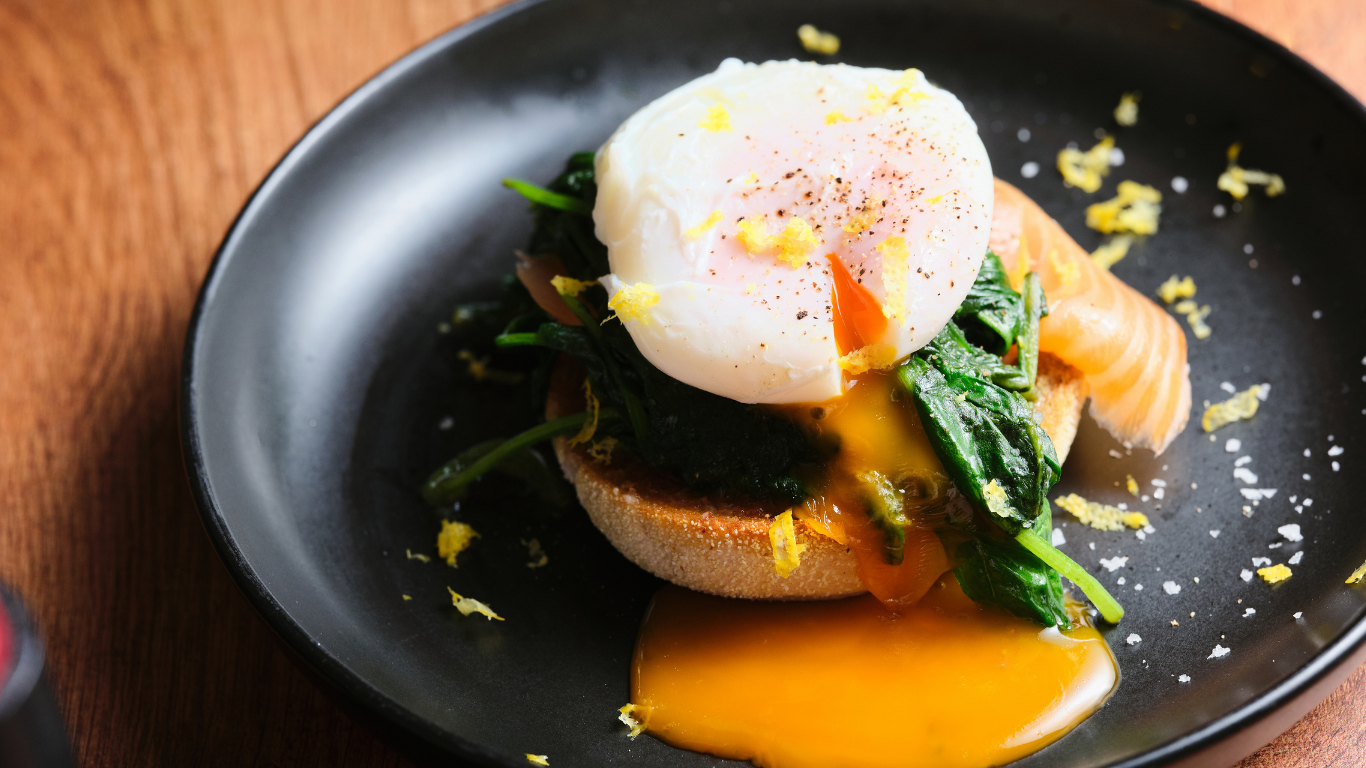
Easy Ways to Serve Them Daily
- Breakfast: Poached eggs on whole-grain toast with avocado and a sprinkle of sea salt. Nutritionally complete, takes 10 minutes.
- Lunch: Poached eggs on a bed of greens with roasted vegetables. The runny yolk becomes your dressing and is naturally delicious.
- Dinner: Poached eggs over grain bowls, rice, or roasted sweet potatoes. Elegant enough for weeknight entertaining.
- Snacks: Cold poached eggs (yes, really) with a little sea salt and pepper is a quick source of protein when hunger hits.
- With kids: Poached eggs are fun. Kids love the runny yolk, and you love knowing they're getting genuine nutrition. It becomes a family ritual.
The beauty is in the simplicity: one egg, 4 minutes, transformative nutrition.
Choose Eggs That Deserve Your Care
Our eggs come from British family farmers who share our passion for hen welfare and nutrition. Our hens live their best lives - roaming freely, foraging naturally, living in the conditions they deserve. Because of this careful welfare, the yolks are visibly richer, a vibrant yellow, and packed with higher nutrient density than conventional eggs.
Our multi-award-winning eggs reflect our commitment to quality, sustainability, and doing things the right way. Your family deserves eggs that taste and perform better. They deserve St. Ewe.
Find St. Ewe Eggs Near You | Learn Our Story
Are poached eggs healthy?
Yes, poached eggs are one of the healthiest ways to eat eggs. Because poaching uses gentle heat and no added fat, it preserves heat-sensitive nutrients like choline, lutein, and B vitamins better than frying, scrambling, or boiling.
What nutrients does poaching preserve that other cooking methods lose?
Poaching preserves heat-sensitive B vitamins, choline, and antioxidants like lutein better than frying, scrambling, or boiling. High heat and prolonged cooking oxidise cholesterol and degrade these nutrients - poaching's gentle method minimises this damage.
Why are poached eggs so good?
Poached eggs deliver complete nutrition in a simple format. The gentle cooking method preserves more nutrients than other methods, while the creamy yolk and tender white make them genuinely delicious, nutritious food that tastes good enough to eat every day.
Are poached eggs healthier than scrambled eggs?
Yes. Scrambling involves prolonged direct heat, which oxidises cholesterol and damages heat-sensitive vitamins more than poaching's gentle water-based cooking. The difference is roughly 10-15% better nutrient retention with poaching.
How many calories are in 2 poached eggs?
Two poached eggs contain roughly 140-160 calories with 12g of protein, making them a nutritionally complete, satisfying meal that keeps you fuller longer than carbohydrate-based breakfasts.
How many calories are in a poached egg?
A single large poached egg contains approximately 70-80 calories, with about 6g of complete protein and minimal added fat, making it one of the most nutrient-efficient foods for weight management and sustained energy.