Spring into Summer: Tips for the Garden
As May rolls around and gardens start to spring back into life, it’s the perfect time to think about getting outdoor spaces summer‑ready in a way that works with nature, rather than against it.
As a B Corp–certified business, we see every day how healthy ecosystems support our hens, thriving land and sustainable food systems. The good news? Many of those same ideas can be easily applied at home. It doesn’t have to be complicated - a few simple, thoughtful choices now can go a long way for biodiversity, soil health and the long‑term health of your garden.
Here are some of our favourite easy, sustainable gardening tips for May.
No Mow May: Let Nature Lead
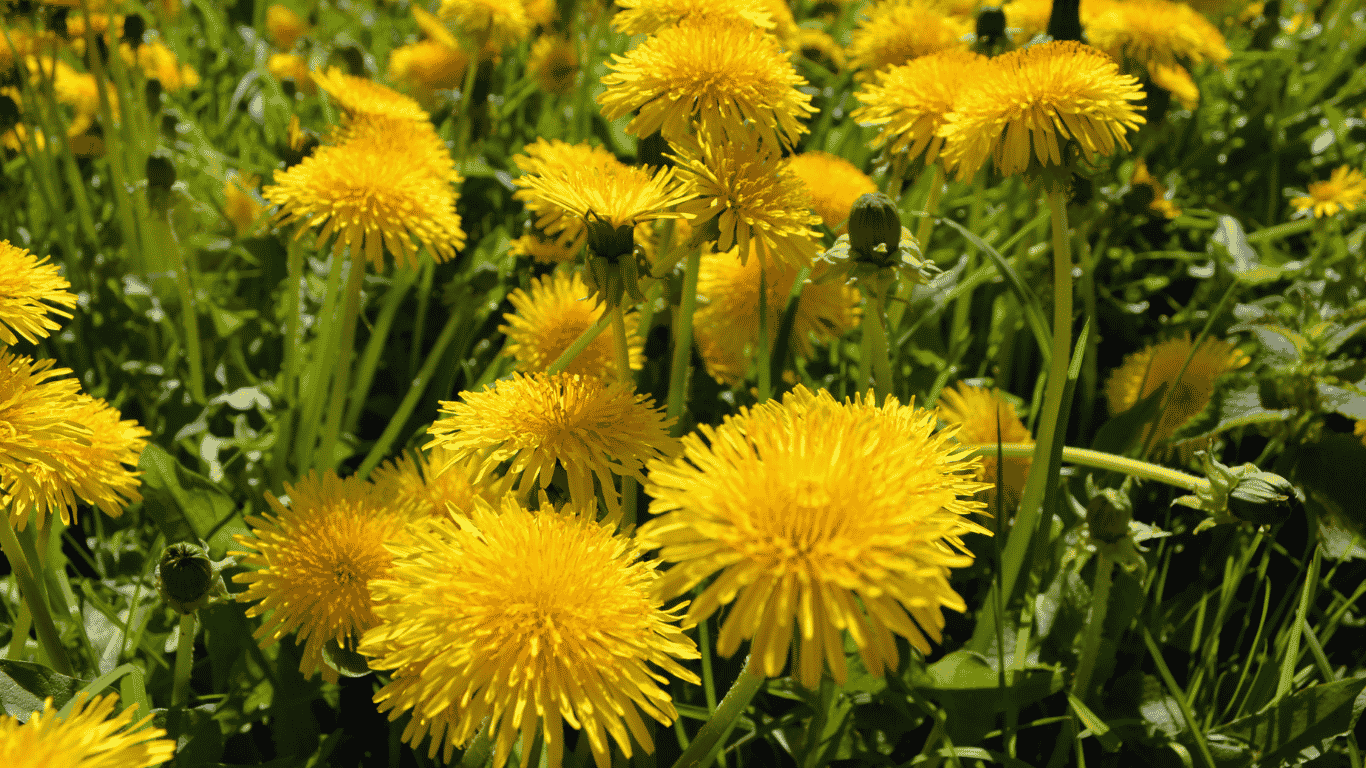
One of the simplest (and most satisfying) ways to support wildlife is to take part in No Mow May, championed by Plantlife. By allowing grass, wildflowers and hedges to grow freely through spring, you create vital habitats and food sources for pollinators like bees, butterflies and insects - all of which play a crucial role in healthy ecosystems.
Longer grass provides shelter, flowering weeds offer nectar and hedges become mini wildlife corridors. If leaving the whole lawn feels like a stretch, even allowing a section to grow can have a positive impact.

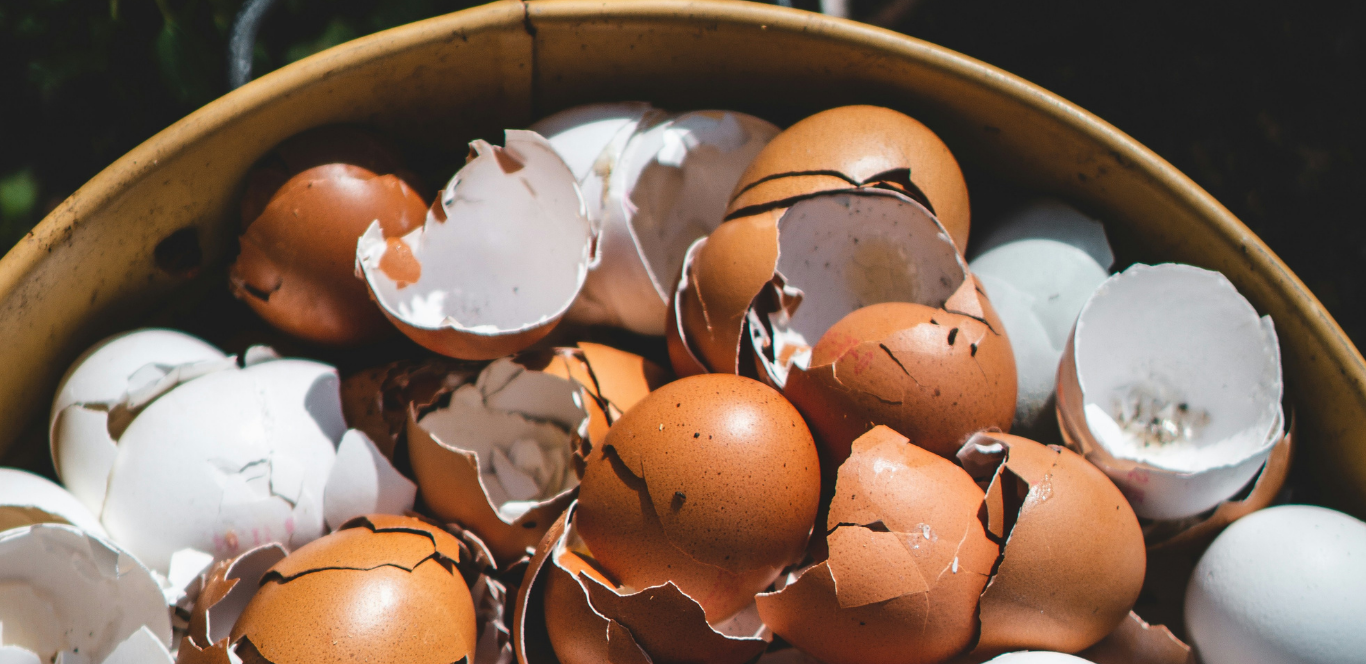
Eggshells: From Breakfast to Brilliant Soil
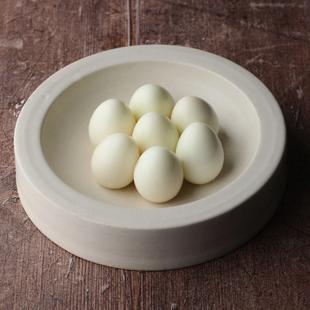
Eggshells are a brilliant example of everyday waste that can be turned into a natural garden resource. Rich in calcium, crushed eggshells help strengthen plant cell walls and improve soil structure. They’re especially beneficial for greenhouse dwellers like tomatoes, peppers and leafy greens - which often need an extra calcium boost as they grow.
To use them:
- Rinse shells after cracking
- Allow them to dry fully
- Crush into small pieces or a powder (you could use a pestle and mortar here!)
- Sprinkle directly into soil or compost
It’s an easy way to close the loop, by taking something from the kitchen and giving it back to the garden.
Composting: Building Better Soil, Naturally
Great gardens start with great soil, and composting is one of the most effective ways to nurture it. The key to good compost is balance. Aim for a 50/50 mix of:
- Greens (nitrogen‑rich materials like food scraps and grass cuttings)
- Browns (carbon‑rich materials like dried leaves, cardboard and paper)
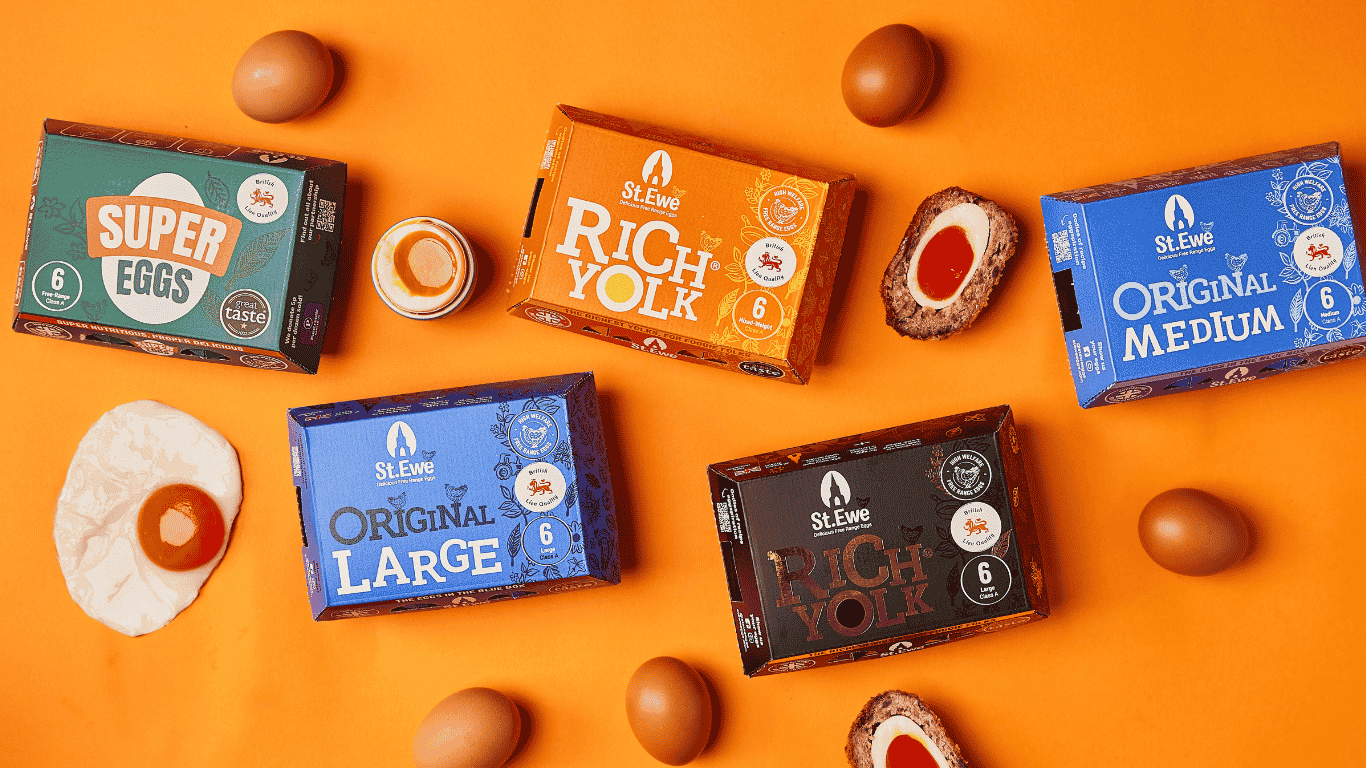
Our cardboard egg cartons are ideal for composting - simply tear them up and add them to the mix. Turning your compost at least once a month helps introduce oxygen, speeds up decomposition and prevents unpleasant smells.
Over time, you’ll be rewarded with nutrient‑dense compost that improves soil health, water retention and plant growth - without relying on synthetic fertilisers.
Egg Cartons as Seedling Starters
Before heading out to buy plastic seed trays, take a look at what you already have at home. Our egg cartons make excellent seed-starting containers!
They’re biodegradable, breathable and perfectly sized for young seedlings. Simply fill each cup with compost, plant your seeds and keep them somewhere warm and bright like a greenhouse or windowsill. When it’s time to plant out, you can even place the carton cups straight into the soil, where they’ll naturally break down.
It’s a small switch, but one that reduces waste and gives everyday packaging a second life!

Growing with Intention
Sustainable gardening isn’t about perfection, it’s about intention. May is a time for preparation, thoughtful choices and working in rhythm with the seasons. Whether it’s letting the lawn grow, reusing eggshells, composting kitchen scraps or repurposing packaging, every small action adds up.
We’d love to see these tips in action - feel free to share any photos or videos with us over on @steweeggs, or tag us in your stories or posts.
Here’s to a blooming eggcellent summer garden! 🌱