The Perfect Soft-Boiled Egg Recipe with St. Ewe Eggs
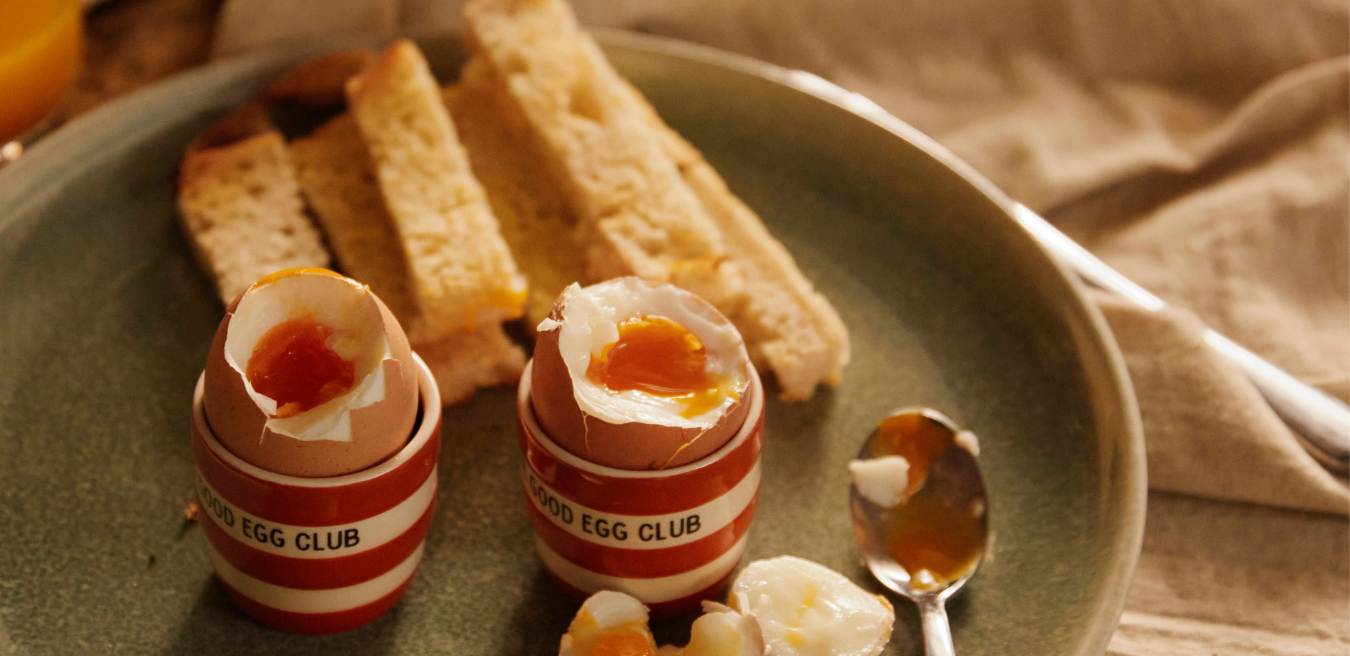
Serves: 1 PersonMastering the perfect soft-boiled egg is an art that's harder to nail than you might think. Start with St. Ewe Rich Yolk eggs, and you're already halfway there - their deep-orange yolks and firm, clear whites make every stage harder to get wrong. Here are our tips to always achieve a perfectly runny yolk and tender whites.
How Long to Soft Boil an Egg (Cold Water Method)
- Medium Egg - 3 minutes
- Large Egg - 4 minutes
Start your egg in cold water, bring the pan to a rolling boil, then set your timer. That's the moment that matters, not when the pan goes on the heat! Full method below.
Instructions
- - Step 1Use eggs that are at room temperature, not straight from the fridge. This helps to prevent the shell from cracking and creates the perfect soft-boiled egg.
- - Step 2Pop your egg into a pan of cold water that comes just to the top of the egg. Too little water and the egg will cook unevenly; too much and it will take too long to boil and the white will be rubbery. Avoid putting the eggs straight into boiling water because it can shock the shells and make them crack.
- - Step 3As soon as the water is at a rolling boil over high heat, set your timer. We suggest a 3-minute cooking time for a medium soft-boiled egg and 4 minutes for a large soft-boiled egg. Allow an extra 30 seconds for ultra-fresh eggs. Never guess the timing.
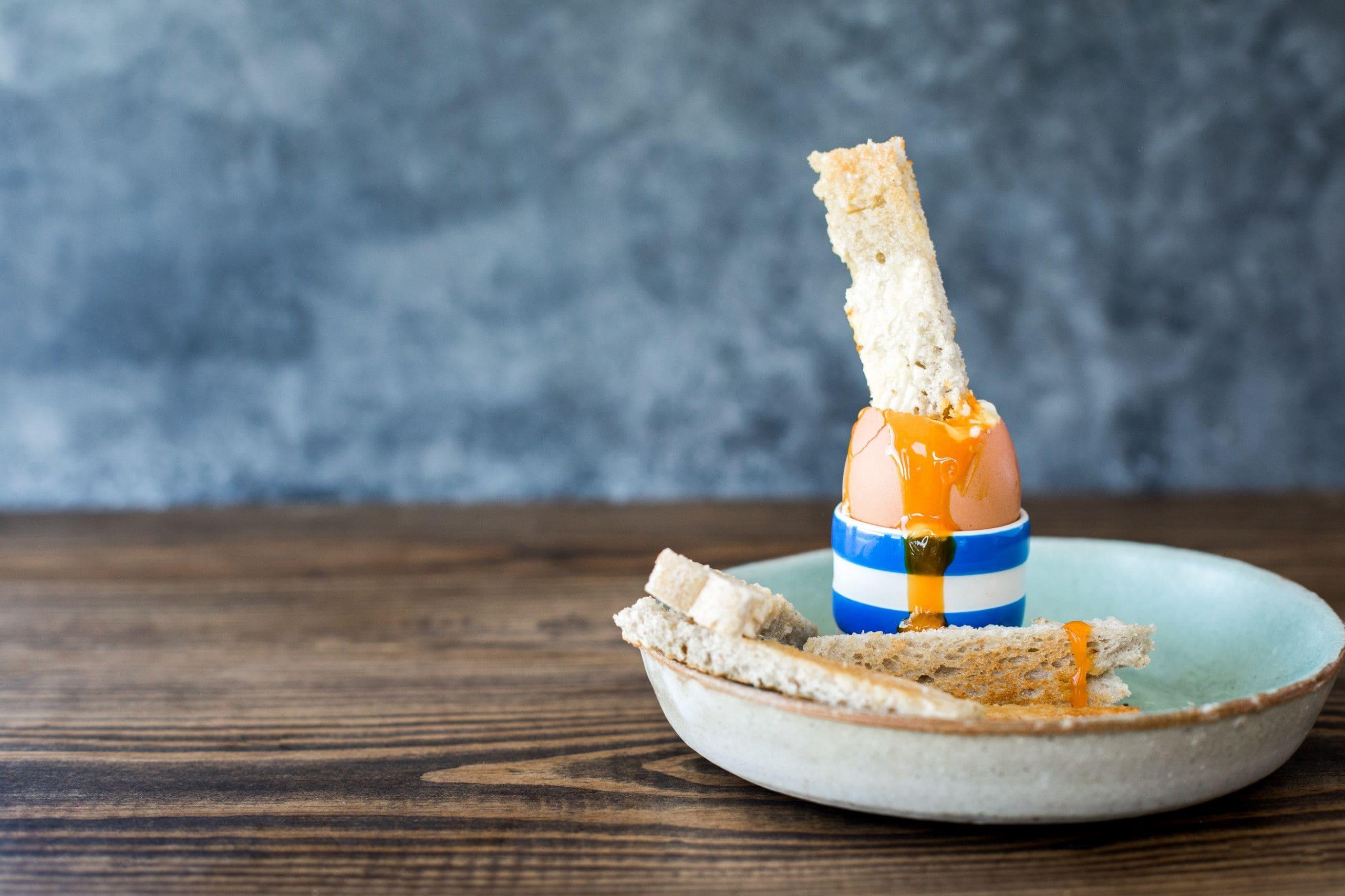
- - Step 4Remove from the water with a slotted spoon and away you go. The eggs should have firm whites and runny yolks, perfect for soldiers or on hot buttered toast.
- - Step 5If you like to eat two eggs in one sitting, don’t leave the second soft-boiled egg in the water while you eat the first – it will carry on cooking and go hard. You could pop them into an ice bath to stop them from cooking any further.
Ingredients
- 1 Rich Yolk Egg
- 200 ml Cold Water
Why the Cold Water Method Works
Starting your egg in cold water and bringing everything up to the boil together, rather than dropping it into a pan that's already bubbling, gives you a far more even, predictable cook. The shell warms up gradually, so it's less likely to crack, and because you're timing from a fixed point (the moment the water hits a rolling boil) you get the same result every time, whatever hob you're using.
One thing to watch: our timings above assume room-temperature eggs. If yours are straight from the fridge, add another 30 seconds on top; cold eggs need a little longer to catch up.
How to Peel a Soft-Boiled Egg
Soft-boiled eggs are trickier to peel than hard-boiled ones; the white is more delicate and closer to the shell. Tap the shell gently on a hard surface to crack it all over, then peel under a thin stream of cold running water or in a small bowl of water; it helps ease the membrane away from the white without tearing it. Start at the wider, rounder end; that's where the air pocket sits, and you'll usually find a natural gap to get going.
Ways to Enjoy Your Soft-Boiled Egg
- Classic boiled egg and soldiers. Thick toast, cut into fingers, straight into the yolk.
- Stirred through ramen or noodle soup. Halve it in the bowl just before serving.
- Over a salad or grain bowl. Let the runny yolk do the work of a dressing.
- Mashed onto hot buttered toast for a faster take on eggs on toast.
Looking for more ways to use your Rich Yolk eggs? Browse our full recipe collection