The Ultimate Scrambled Eggs Recipe (Soft, Delicious & Chef-Approved)
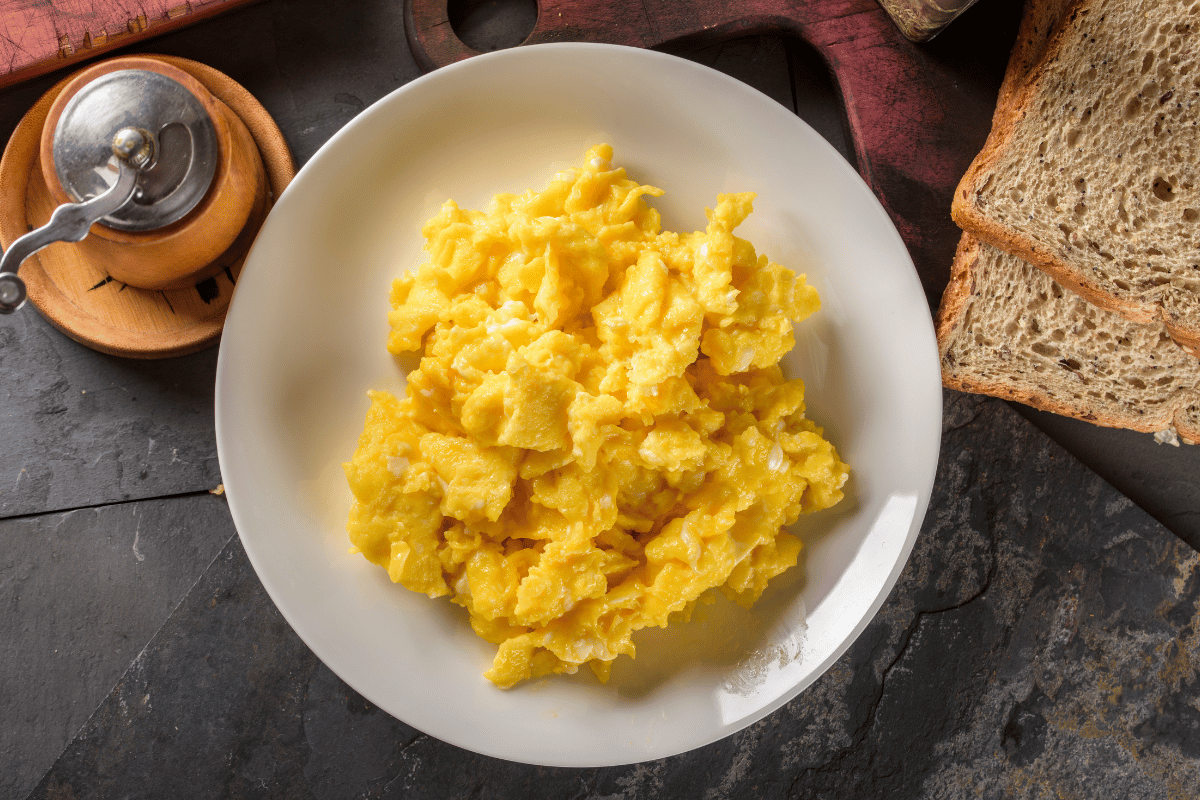
Silky, creamy and deliciously restaurant-worthy, this scrambled egg recipe by Paul Ainsworth takes just 4 minutes. The secret is a cold pan, low heat and eggs with a deep golden yolk (which is why we make them with St. Ewe Rich Yolk eggs!)
Below you will find the full recipe, our top tips, four alternative methods (including a foolproof microwave version), nutrition information for scrambled eggs and toast, and answers to the questions we get asked most.
Why this scrambled eggs recipe works
Starting the eggs in a cold pan lets them warm up gently alongside the butter, so the curds stay small, soft and custardy rather than tight and rubbery. Adding the butter in three stages keeps the mixture glossy and rich right to the end.
Scrambled eggs at a glance
- Cook time: 4 minutes
- Serves: 2 (4 eggs)
- Difficulty: Easy
- You will need: a saucepan, a spatula or wooden spoon, a toaster
Instructions
How to make scrambled eggs
- - Step 1Start with a cold pan (this is key to perfect scrambled eggs!). Crack in the 4 eggs.
- - Step 2Add 30g of the butter and set the pan over a low heat. Stir slowly as the butter melts.
- - Step 3Toast the sourdough while you stir the eggs gently.
- - Step 4Add another 10g of butter, season with sea salt flakes and black pepper, and keep the heat low for a soft, creamy texture.
- - Step 5As the eggs turn and scramble, stir in the remaining 10g of butter.
- - Step 6Serve immediately, topped with chives if you like.
Chef's tip: Don't rush breaking the yolks. Keeping them whole a little longer gives your eggs a deeper, richer colour.
Ingredients
- 4 St Ewe Rich Yolk Egg
- 50 grams Salted Butter
- 1 Loaf of Sourdough
- 1 pinch Sea Salt Flakes
- 1 pinch Black Pepper
- 1 handful Chive Finely Chopped
Top tips for perfect scrambled eggs
- Keep the heat low: If the pan is too hot, the eggs turn dry and rubbery. If in doubt, lift the pan off the heat for a few seconds.
- Stop just before they look done: Eggs keep cooking on the plate, so take the pan off when they still look slightly glossy and soft.
- Season mid-cook: Add salt and pepper partway through, as in the method above.
- Stir slowly and reach the edges: A flexible spatula or wooden spoon lets you scrape the base and sides so nothing catches.
- Butter the toast just before serving: It stops the toast going soggy.
- Have everything ready: The eggs only take about 4 minutes, so keep everything close at hand for serving promptly
- Start with quality: With deep golden yolks and a rich flavour, Rich Yolk eggs are the best for scrambled eggs. Browse all our eggs.
Do I need milk or cream?
No. Great scrambled eggs need only eggs, butter and seasoning. With good-quality eggs, milk or cream is unnecessary. If you like a looser, softer scramble, finish with a small knob of cold butter instead, as this recipe does.
Types of scrambled eggs
Chefs disagree about the "right" way to scramble eggs because there are really three styles. Pick the style that suits your plate, then use the methods below.
- French-style: very soft, slow-cooked and spoonable, with tiny curds. Paul’s scrambled egg recipe sits closest to this style.
- English-style: quick and gentle with larger, softer curds, usually served on buttered toast.
- American diner-style: cooked fast on a hot surface into big, fluffy, fully set curds.

Alternative ways to make scrambled eggs
The cold pan method above is our favourite, but there is no single correct way. Each method below uses 4 eggs and serves 2, and each gives a slightly different result.
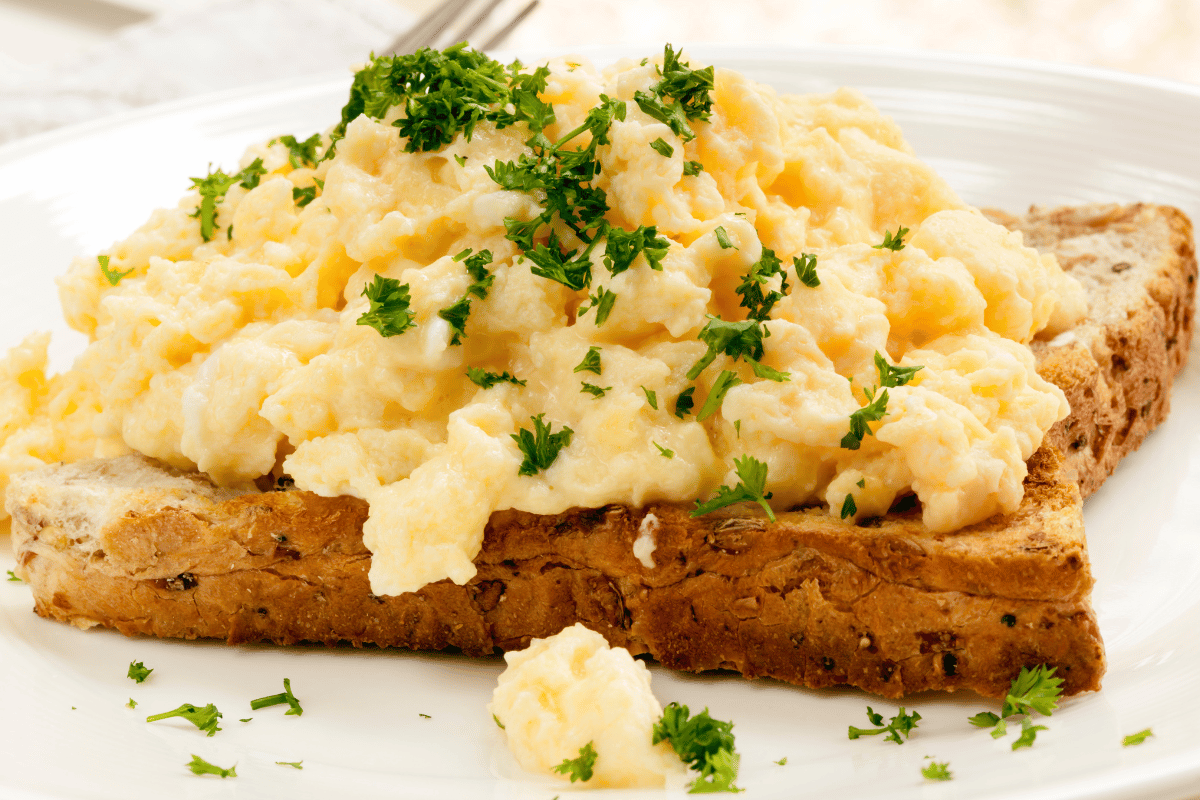
1. Classic whisked scrambled eggs
Best for: a quick, everyday breakfast with a uniform colour.
- Crack 4 eggs into a bowl, add a pinch of salt and whisk gently with a fork until just combined.
- Melt 20g butter in a non-stick pan over a low-medium heat until it is frothy.
- Pour in the eggs and let them sit for a few seconds, then stir slowly with a spatula, folding as they set.
- Take the pan off the heat while the eggs are still slightly soft, and serve straight away.
2. Fold-and-lift scrambled eggs (on and off the heat)
Best for: avoiding overcooking if you are nervous about timing.
- Melt 20g butter in a non-stick pan over a medium heat and add 4 whisked eggs.
- Stir for about 20 seconds, then lift the pan off the heat while you keep folding the eggs.
- Put the pan back on the heat for a few seconds at a time, repeating until you have soft, creamy curds.
- Season at the end and serve immediately.
3. Double boiler (bain-marie) scrambled eggs
Best for: the creamiest, most custardy result, and weekend brunch.
- Set a heatproof bowl over a pan of barely simmering water, making sure the base does not touch the water.
- Add 4 eggs and 20g butter and stir constantly with a spatula.
- Keep stirring until the eggs thicken into a soft, spoonable scramble, which usually takes around 10 to 15 minutes.
- Remove from the heat, season and serve. Because the heat is so gentle, the eggs are very forgiving.
4. Microwave scrambled eggs
Best for: the office, a student kitchen or a very fast breakfast.
- Whisk 4 eggs with a pinch of salt in a large microwave-safe bowl and add a small knob of butter.
- Microwave on high for 30 seconds, then stir well, pulling the set edges into the middle.
- Repeat in 20 to 30-second bursts, stirring each time, until the eggs are just set but still glossy. Microwave wattages vary, so check often.
- Leave to stand for 30 seconds, then serve.

Flavour ideas and toppings
Once you have the basic method down, it is easy to try different toppings for your scrambled eggs to suit personal taste and occasion:
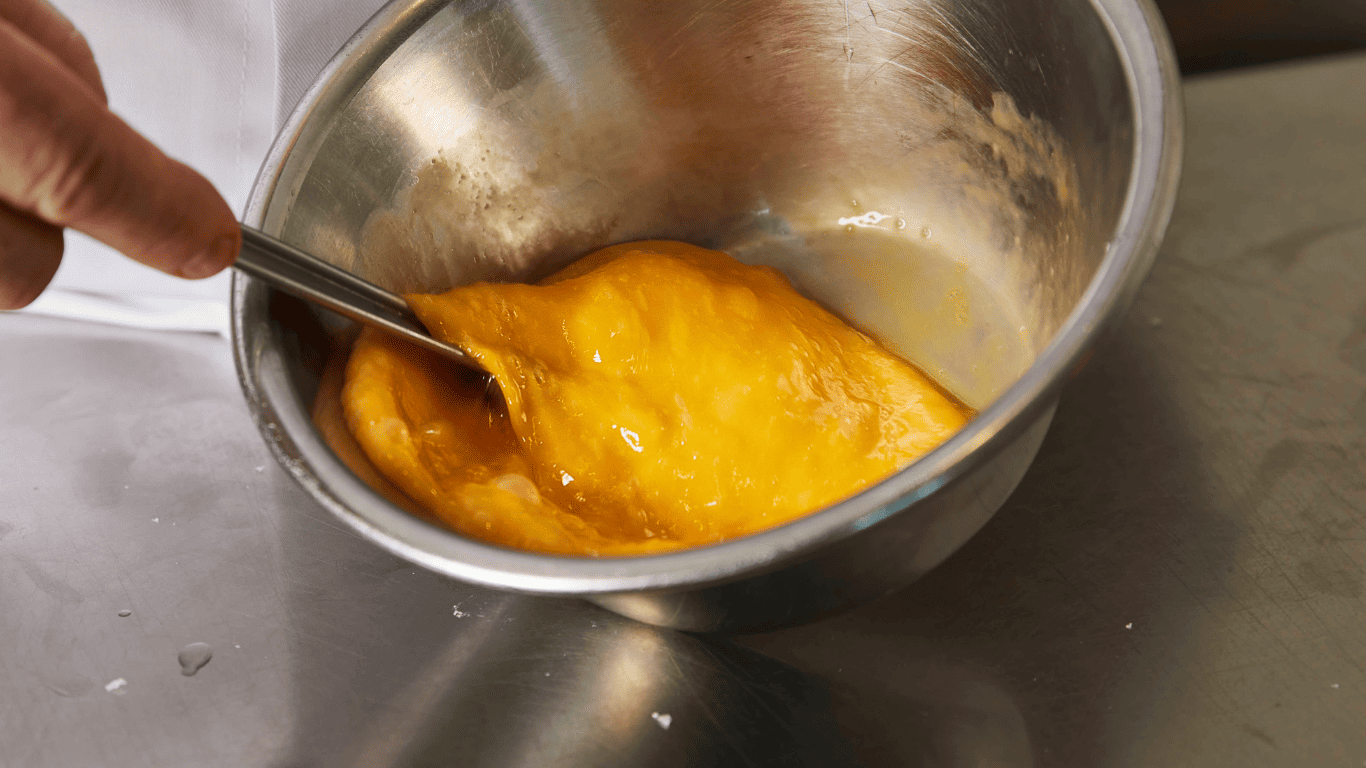
- Smoked salmon and chives: fold through at the very end so it stays soft.
- Avocado: serve sliced on the side with a squeeze of lemon.
- Roasted tomatoes or mushrooms: bake while you scramble your eggs for a heartier plate.
- Herbs and chilli: stir in chopped soft herbs or a little fresh chilli.
- Rocket or spinach: add a handful on the plate for freshness.
Dietary and nutrition upgrades
- Vegan: swap the eggs for scrambled tofu with spinach and a spoonful of nutritional yeast.
- Mediterranean: cook in olive oil and add roasted peppers and olives.
- Higher protein: add an extra egg white or a spoonful of cottage cheese.
- Gluten-free: serve on a gluten-free loaf in place of sourdough.

What to serve with scrambled eggs
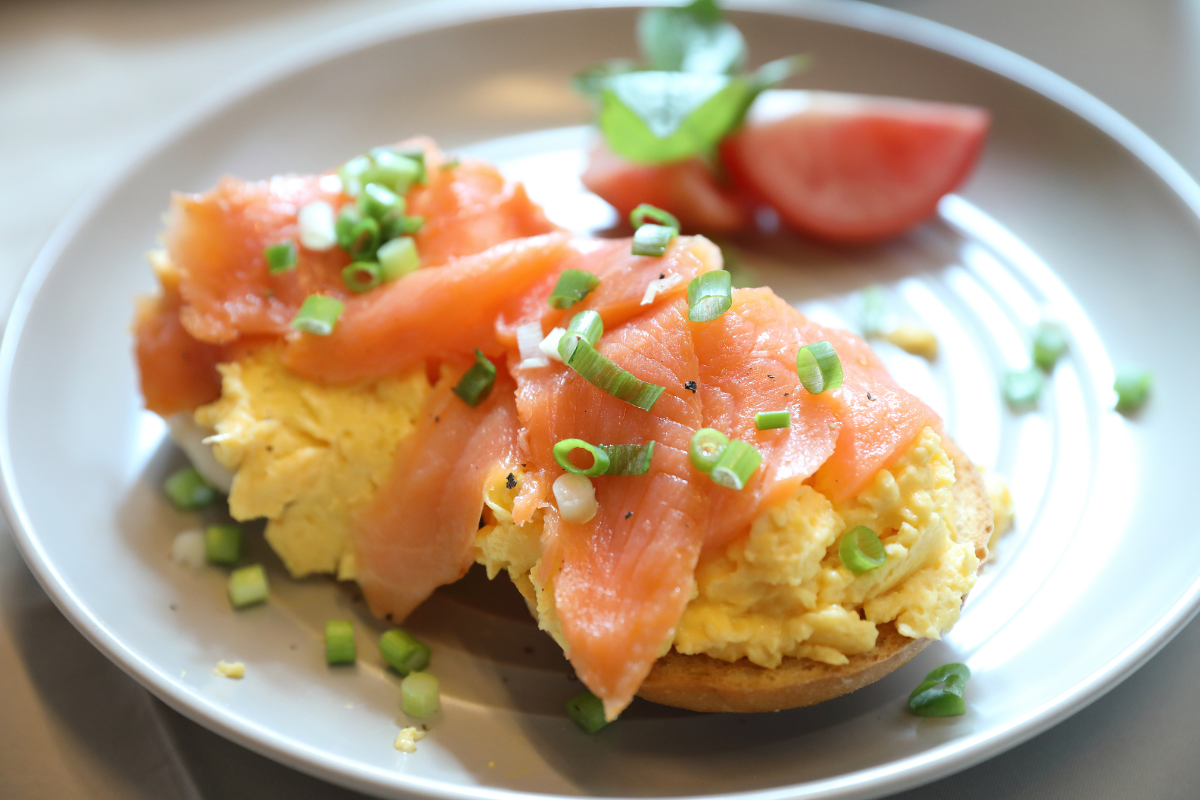
Sourdough is the classic partner, but scrambled eggs are brilliant with grilled bacon, sliced avocado or sautéed mushrooms. For a showstopping brunch, spoon them over a bacon and egg stack or add a drizzle of homemade hollandaise sauce. Looking for more ideas? Explore our breakfast recipes and brunch recipes.
Scrambled eggs and toast: nutrition and health
Scrambled eggs on toast is a balanced, quick breakfast. Eggs provide protein, and wholegrain or sourdough toast adds slow-release energy to keep you going through the morning.
- Calories: two scrambled eggs with wholegrain toast come to roughly 250 to 300 kcal, depending on how much butter you use.
- Protein: two eggs provide about 12g.
- Nutrients: eggs supply B vitamins, vitamin D, iron and selenium, and eggs are one of the few natural food sources of vitamin D. Bread and greens add fibre and magnesium.
For guidance on a balanced diet, see the NHS Eatwell Guide and the British Nutrition Foundation.
Making it lighter
For a lower-calorie version, use one whole egg plus extra egg whites, a light spray of oil in place of butter, and a single slice of toast. Our Super Eggs are another good option for a nutrient-boosted breakfast.
Scrambled eggs troubleshooting
Dry or rubbery eggs: This is usually down to heat that is too high or eggs that have cooked for too long. Lower the heat and take the pan off while the eggs are still glossy.
Watery eggs: The usual causes are overcooking or too much added liquid. Skip the milk and stop cooking sooner.
Eggs sticking to the pan: The pan is probably too hot or doesn’t have enough fat. Use a non-stick pan and keep the heat low.
Pale and bland eggs: This tends to come from lower-flavour eggs or under-seasoning. Use eggs with deep golden yolks and season part-way through.
Tough, small curds: This is usually caused by stirring too fast. Stir slowly and fold the eggs rather than whisking constantly.

Scrambled egg myths
- "You must add milk or cream." You do not. Butter and good eggs are all it takes.
- "Hot pans make better scrambled eggs." Only for diner-style. For soft, creamy eggs, low and slow wins.
- "You have to whisk the eggs first." This recipe cracks the eggs straight into the pan and keeps the yolks whole for a little longer, which gives a richer colour.
Can you make scrambled eggs ahead?
Scrambled eggs are best eaten straight away. If you need to prepare them in advance, cool them quickly, keep them covered in the fridge and eat within a day, reheating gently until piping hot.